
Fall Building Maintenance Checklist: Protect Your Building Envelope Before Winter
In New England, fall is the last good window to find building envelope problems while they are still small, affordable, and easy to schedule. Once temperatures drop, sealants won’t cure, coatings won’t bond, and roof crews are working around snow instead of ahead of it.
That makes October and early November the most valuable weeks of the year for property managers and facility teams. A focused fall inspection across your roof, facade, windows, waterproofing, and drainage can prevent the leaks, spalling, and interior damage that show up every March as emergency calls.
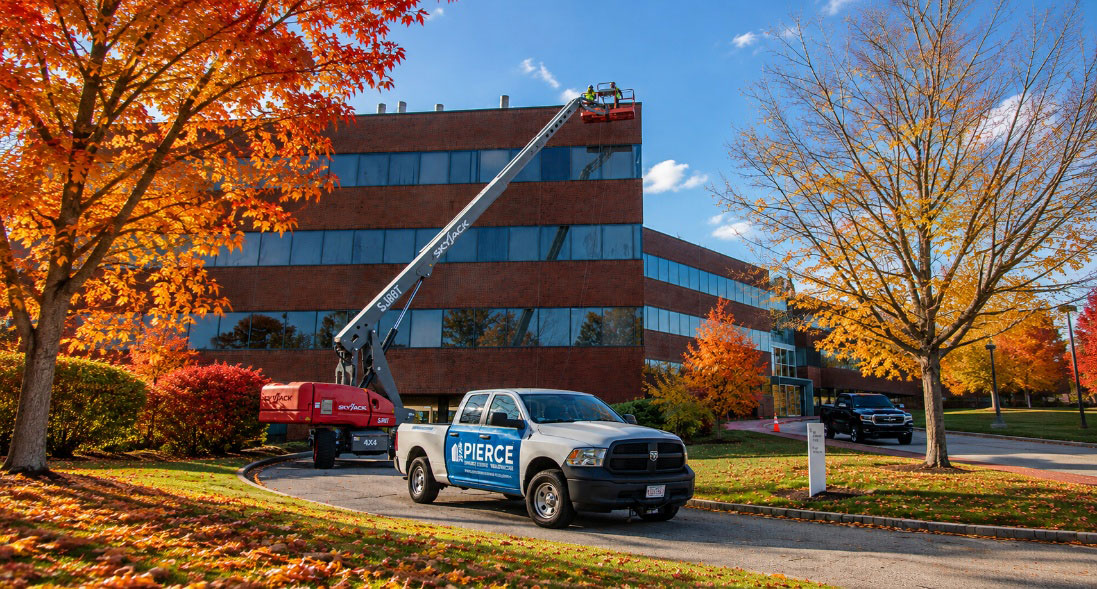
This fall building maintenance checklist walks through each part of the building envelope, what to look for, and which issues to fix before the first hard freeze.
Your fall checklist at a glance:
- Roofing: Clear drains, close open seams and flashing gaps, and secure loose coping.
- Facade and masonry: Flag cracks, spalling, eroded mortar, rust at lintels, and blocked weep holes.
- Windows and sealants: Replace cracked or separated sealant at windows, doors, and expansion joints.
- Garages and plaza decks: Check traffic coatings, joint sealants, and deck drains before salt season.
- Drainage: Clear gutters, downspouts, and area drains, and note where meltwater refreezes.
Why Fall Maintenance Matters More in New England
Water is the root cause of most building envelope failures, and New England winters give it every advantage. Our region sees dozens of freeze-thaw cycles each season. Every time water gets into a crack, joint, or porous surface and freezes, it expands by roughly 9% and pushes that opening a little wider.
A hairline crack in October can become a spalled brick face, a failed sealant joint, or an active leak by spring. Add ice dams, wind-driven rain, and road salt tracked into parking structures, and small defects compound quickly.
The good news: most of these failures are visible well before they become expensive. The key is knowing where to look and documenting what you find.
1. Roofing: Your First Line of Defense
Your roof takes the full load of snow, ice, and meltwater all winter. Commercial low-slope roofs are especially vulnerable because standing water has nowhere to go when drains are blocked or the membrane is compromised.

What to check this fall:
- Membrane condition. Look for blisters, splits, open seams, punctures, and areas of ponding water that remain 48 hours after rain.
- Flashings and penetrations. Inspect perimeter flashings, curbs, pipe boots, and rooftop unit penetrations. These transitions are where most roof leaks begin.
- Roof drains and scuppers. Clear leaves, debris, and sediment. Confirm strainers are in place and secure.
- Coping and edge metal. Check for loose fasteners, displaced caps, and open joints that let water behind the wall.
- Signs of past leaks. Walk the top-floor interior and look for ceiling stains, which often point to a roof issue that will worsen under snow load.
Address open seams and flashing gaps now. Once temperatures fall consistently below 40°F, many roofing adhesives and sealants can’t be installed to manufacturer specifications.
2. Facade and Masonry: Stop Water Before It Gets In
Brick, stone, precast, and concrete facades look durable, but they absorb and channel water in ways that are easy to miss from the ground. Freeze-thaw damage on a facade is progressive: the longer it goes, the more costly the repair.
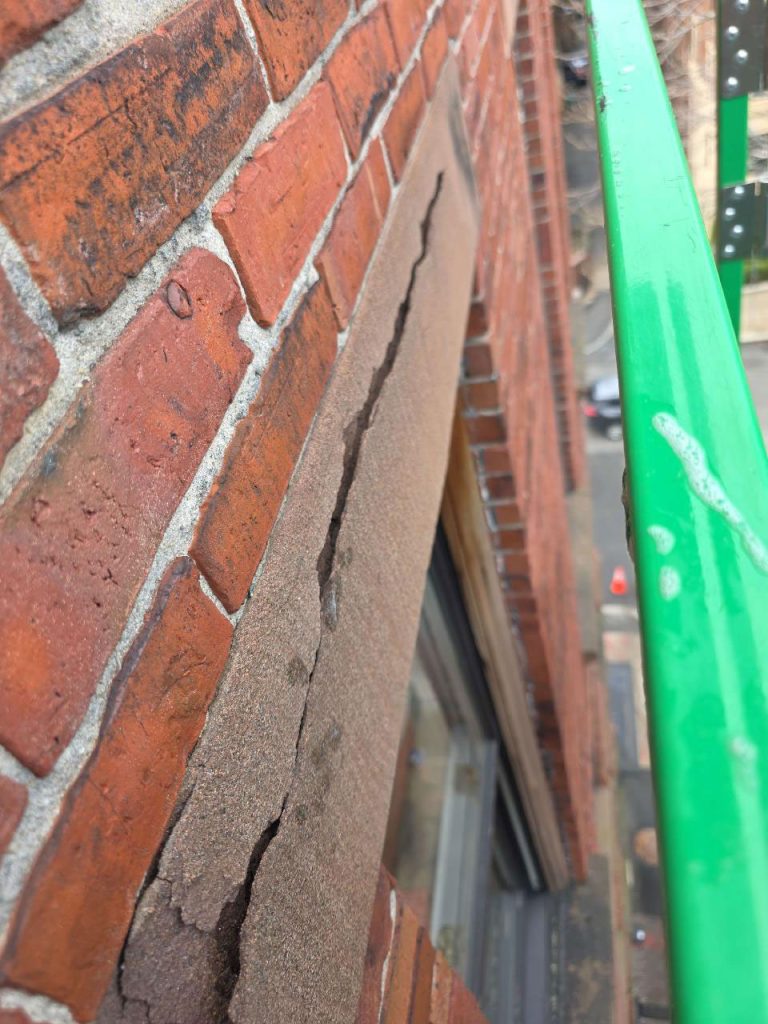
What to check this fall:
- Cracks and spalling. Look for cracked, chipped, or delaminating brick and concrete, especially near corners, parapets, and lintels.
- Mortar joints. Eroded or recessed mortar lets water into the wall system. Note areas that need repointing.
- Efflorescence and staining. White salt deposits or dark streaks signal moisture moving through the wall.
- Steel lintels and shelf angles. Rust staining or bulging brick above openings can indicate corrosion and expansion behind the facade.
- Weep holes. Confirm they are open so water can drain out of cavity walls instead of collecting inside.
- Loose or hazardous elements. Anything that could fall in winter weather is a safety priority, not just a maintenance item.
If your building is subject to local facade ordinances, fall is also a smart time to confirm when your next required inspection is due.
3. Windows, Sealants, and Joints: Small Gaps, Big Consequences
Sealant is one of the least expensive components of a building envelope and one of the most common sources of leaks and energy loss. Most commercial sealants have a service life of 10 to 20 years, and UV exposure and building movement shorten that further.
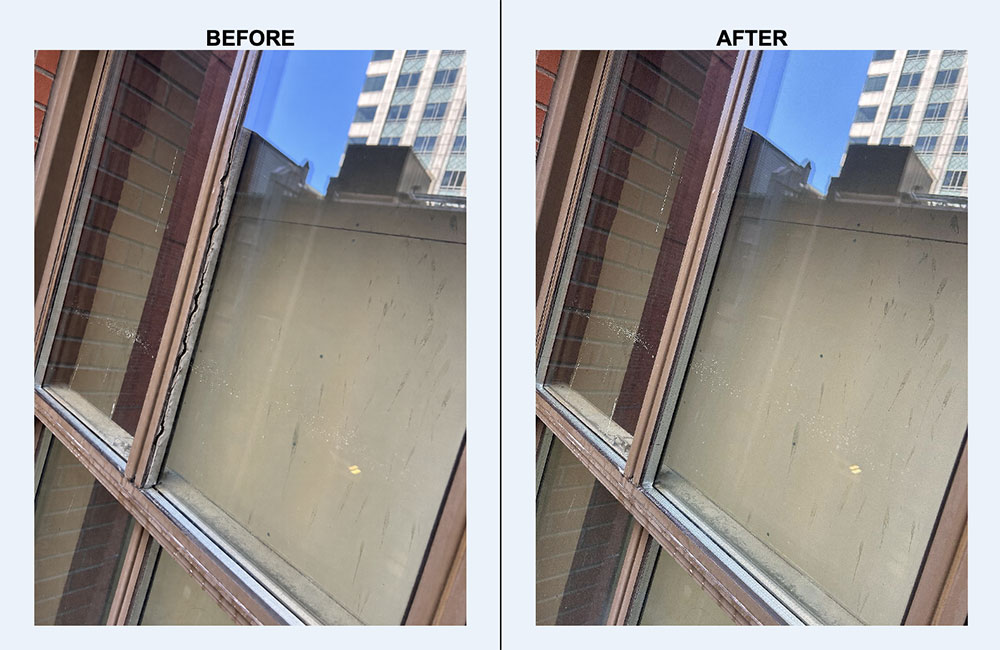
What to check this fall:
- Perimeter sealant at windows and doors. Look for cracking, hardening, gaps, and loss of adhesion where the sealant has pulled away from the substrate.
- Expansion and control joints. These joints are designed to move. When the sealant fails, water and air move with them.
- Curtain wall and storefront systems. Check gaskets, glazing seals, and weep systems for deterioration or blockage.
- Interior clues. Drafts, condensation, and water staining at sills often trace back to a failed exterior seal.
- Window cleaning findings. Your window cleaning crew sees every pane up close. Ask them to flag damaged seals, cracked glass, or staining on their final fall visit.
Sealant replacement is weather-dependent, so schedule this work early in the season while temperatures and surfaces still meet installation requirements.
4. Waterproofing, Plaza Decks, and Parking Garages
Horizontal surfaces take a beating in winter. Parking garages and plaza decks face snow, standing water, plows, and chloride-laden road salt, which accelerates corrosion of embedded steel reinforcement and leads to concrete deterioration.
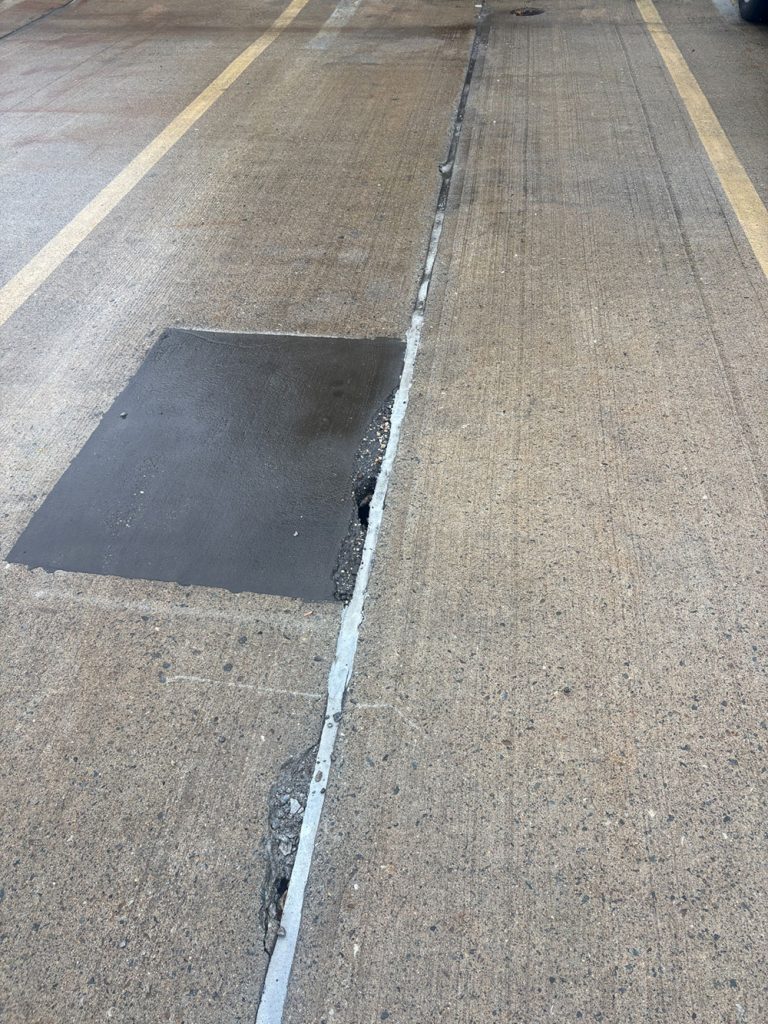
What to check this fall:
- Traffic coatings and membranes. Look for worn, cracked, or delaminated coatings, especially in drive aisles, ramps, and turning areas.
- beams, and columns.
- Joint and crack sealants. Failed sealant in garage expansion joints lets salt water reach the structure below.
- Below-grade walls and foundations. Look for active leaks, damp areas, and efflorescence in basements and lower levels.
- Plaza and podium decks. Check pavers, drains, and planters for settlement, ponding, or signs of water reaching occupied space below.
A fall power washing of garage decks removes the summer’s accumulated debris and oil, making it far easier to spot cracks and coating failures before salt season begins.
5. Drainage: Give Water Somewhere to Go
Even a sound envelope will struggle if water can’t drain away from it. Fall leaves make this the season when drainage systems are most likely to clog, right before they need to handle snowmelt.
What to check this fall:
- Gutters and downspouts. Clear debris after the leaves drop and confirm downspouts discharge away from the foundation.
- Area drains and catch basins. Clean grates and confirm water flows freely at entrances, loading docks, and courtyards.
- Grading at the foundation. Soil and hardscape should slope away from the building, not toward it.
- Ice-prone areas. Identify spots where meltwater refreezes on walkways or entries. These are slip hazards and often point to a drainage or roof-edge issue.
Turn Your Fall Inspection Into a Long-Term Plan
A checklist helps you find problems. Documentation helps you manage them. The most effective property teams don’t just inspect each fall; they record conditions, track changes year over year, and prioritize repairs before they become emergencies.
That is the thinking behind LifeCycle360, the proprietary reporting software behind every PIERCE Property Services assessment report. Our team inspects your building envelope, captures photo-documented conditions, and delivers an assessment report with a clear, prioritized view of what needs attention now, what can wait, and what to budget for next year.
The result is fewer surprises, better capital planning, and a building envelope that is managed rather than repaired after the fact.
Get Ahead of Winter With PIERCE
The window for fall building maintenance closes fast. With 13 years in business and more than 1,800 buildings served, PIERCE Property Services helps commercial property owners and managers across New England protect their buildings from the roof to the foundation, with roofing, restoration and waterproofing, facade inspection, and maintenance services under one roof.
Schedule your fall building envelope inspection today. Contact the PIERCE team to book a LifeCycle360 assessment and head into winter knowing exactly where your building stands.