
Cold Weather & Concrete: Understanding Winter Damage Risks
Concrete in Cold Weather: What Damage Should Building Owners Expect?
As temperatures drop, concrete structures across the Northeast face some of the most demanding conditions of the year. While concrete is known for its durability, it is not immune to the effects of cold weather—particularly when moisture, freeze-thaw cycles, and de-icing materials are involved.
For property owners and managers overseeing garages, façades, plazas, and walkways, understanding how winter conditions impact concrete is essential to protecting safety, performance, and long-term asset value.
Why Cold Weather Is Hard on Concrete
Concrete is inherently porous. Water can enter through capillaries, joints, and hairline cracks. When temperatures fall below freezing, that moisture expands as it turns to ice. Over repeated freeze-thaw cycles, internal stresses develop, gradually leading to surface deterioration and structural distress.
Concrete with existing wear, cracks, or failed sealants is especially vulnerable, as moisture pathways are already established—often in areas not visible from the surface. LifeCycle360 helps capture these conditions consistently, providing visibility into both obvious and early-stage issues.
Common Types of Cold-Weather Concrete Damage
Winter-related concrete distress can appear in several ways, including:
-
Cracking
Small cracks can widen over time as freeze-thaw cycles repeat, allowing additional moisture intrusion. -
Surface Scaling
Flaking or peeling of the surface caused by repeated freezing and thawing, often exacerbated by de-icing salts. -
Spalling
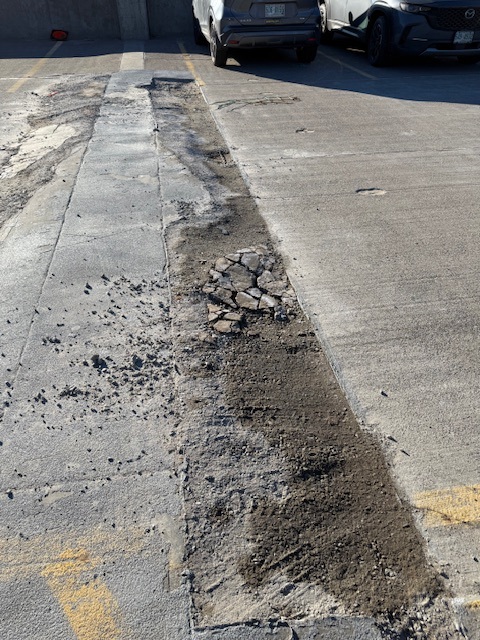
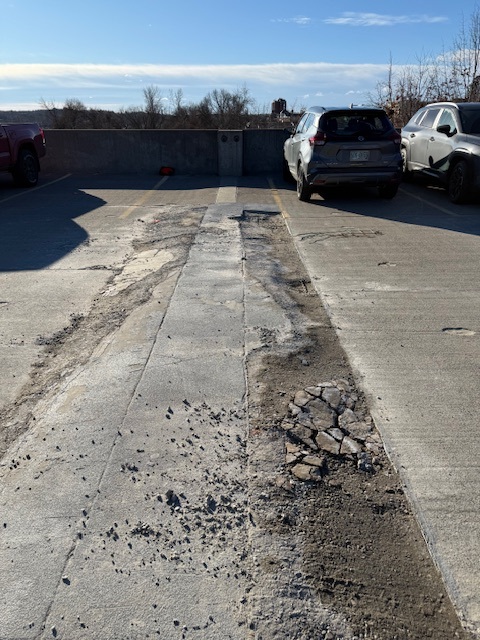
Larger chips or breaks in the concrete, commonly found in garages, drive lanes, and high-traffic areas. -
Salt Damage
De-icing chemicals penetrate concrete and accelerate surface deterioration. -
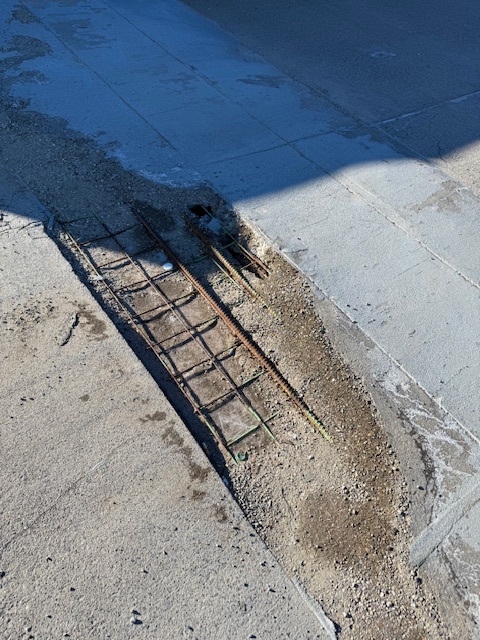
Reinforcement Corrosion
When moisture and salts reach embedded steel, corrosion can expand internally—causing cracking from within the slab.
With LifeCycle360, these conditions can be documented, geo-located, and compared over time, supporting better decision-making before winter damage escalates.
How New Concrete Behaves in Cold Weather
Cold temperatures also affect newly placed concrete. If concrete freezes before curing properly, the hydration process slows or stops, preventing it from reaching its intended strength.
Professional crews mitigate this risk through controlled placement techniques, insulated curing blankets, heated enclosures, and cold-weather concrete mixes designed for winter conditions.
Can Cold-Weather Concrete Damage Be Prevented?
In many cases, yes. Proactive planning and routine observation are critical. Effective prevention includes:
- Sealing concrete surfaces to reduce moisture and salt penetration
- Addressing minor cracks early before winter conditions worsen them
- Ensuring proper drainage to eliminate standing water
- Conducting routine condition reviews, especially in the fall and early winter
Consistent documentation supported by LifeCycle360 creates a clear condition baseline and helps prioritize maintenance before issues become disruptive.
Why Early Action Matters
Ignoring minor deterioration can lead to safety hazards, costly repairs, and operational disruptions. A small crack documented in the fall can evolve into spalling or a trip hazard by spring—particularly in garages and pedestrian areas.
Tracking conditions over time allows building owners to shift from reactive repairs to planned, lifecycle-based maintenance.
Final Takeaway
Cold weather places real stress on concrete—but damage is not inevitable. With accurate condition tracking, timely maintenance, and informed planning, building owners can reduce winter deterioration and extend the service life of their assets.
If you’re concerned about how your concrete will perform this winter, now is the right time to take a closer look.